
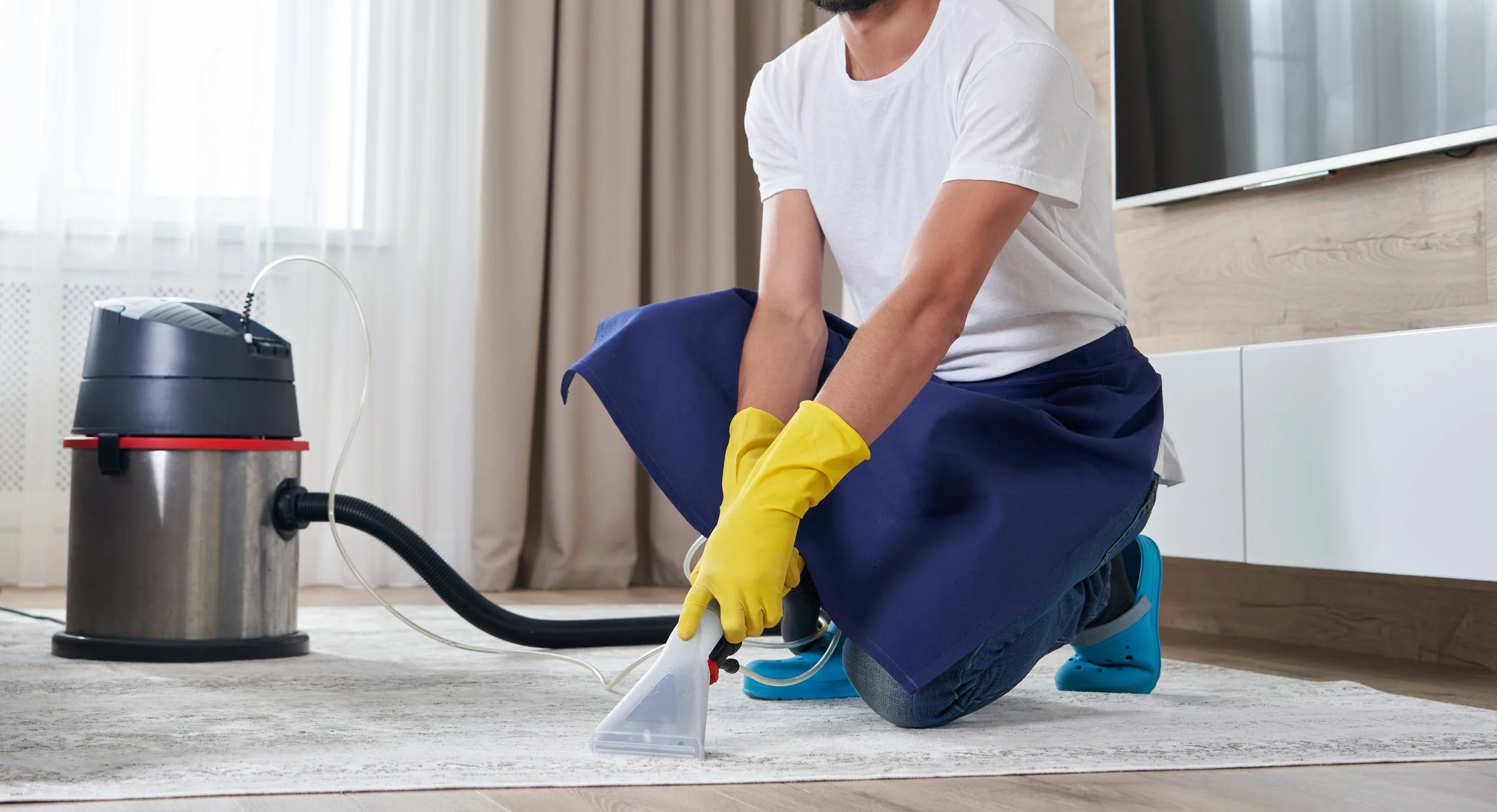
When maintaining a medical office, investing in professional healthcare facility carpet cleaning is just as critical as sanitizing countertops and surgical tools. Medical professionals know that hygiene is key to a thriving practice hence the sterile surfaces and modern décor, yet worn, deep-seated flooring is often overlooked. Dirty carpet fibers harbor invisible bacteria, allergens, and moisture, directly impacting indoor air quality and room cleanliness. Every patient walking through your doors expects a safe, pristine environment from the moment they step inside.
Despite being a vital safety layer, flooring takes more abuse than any other surface in the facility. Floors in hospitals and clinics are exposed to tremendous ranges of stress throughout the day - from the boots covered in mud during wintertime to the wheels of the patients' wheelchairs creating marks on the floor, and drinks spilling in the waiting areas. It is important to know the proper cleaning procedures to ensure that the practice is functioning at its highest efficiency. Now let us analyze the importance of keeping floors clean in the medical industry.
Why Specialized Floor Care Matters in Medical Spaces
The medical environment differs significantly from traditional office buildings. This is because regular vacuuming techniques only cover the surface dirt and do not have the capacity to extract the germs, pollen, or small debris accumulated deep in the carpet. This is why some patients with weak immune systems or serious allergies are susceptible to such particles floating around in your facility and irritating them.
Proper healthcare facility carpet cleaning goes far beyond simple aesthetics. The U.S. Environmental Protection Agency states that Americans spend about 90% of their time indoors, where the level of some pollutants is increased by 2 to 5 times. This means that the air quality of indoor premises should be given careful consideration while cleaning. The carpet cleaning process allows one to maintain high air quality standards in the healthcare facilities and ensures that the floors will serve for a long time, while maintaining strict sanitary standards. A clean facility ultimately reassures patients and puts them at ease.
Key Benefits of Professional Maintenance
To take care of a practice's flooring appropriately, an informed method is needed. Carrying out regular healthcare facility carpet cleaning is an investment that minimizes accumulation of dirt and preserves the life of your floor covering. Here are the leading reasons for conducting your cleaning in a timely manner.
Better Indoor Air Quality:
Techniques applied in professional cleaning deal with dust, allergens, and germs that cannot be got rid of with ordinary cleaning.
Professional Image:
If the floors are shiny and clean, the patients and health inspectors believe that the hygiene is taken care of properly.
Longer Life Span of the Floor Covering:
Deep cleaning on a regular basis will ensure that there are no abrasive particles that make the carpets wear out sooner than expected.
Improved Indoor Air Quality:
Methods used in professional cleaning help eliminate dust particles, allergens, and microorganisms invisible to regular ongoing cleaning.
Professional Appearance:
Clean and bright floors leave an impression of hygiene and care among patients and sanitary inspectors.
Prolonged Lifespan of Floor Surfacing:
Regular deep cleaning removes gritty particles that act like sandpaper on carpet fibers, preventing premature wear and saving your clinic from costly replacements.
Elimination of Unwanted Odor:
Medical offices often hold unwanted odors that may stay in the air; steam cleaning allows for getting rid of such odors by eliminating stubborn odors directly at their source.
If you want to upgrade the maintenance in your facility, acquiring professional help is much easier than you think. In order to keep the waiting and examination rooms spotless twelve months a year, a lot of local clinics use the services of professional commercial carpet cleaning services near me.
Why Regular Scheduling is Essential for Long-Term Success
When it comes to hygiene in medical flooring, timing is crucial. If you wait for the spots and stains to show up, then the fibers are likely to have absorbed more than enough dirt and germs for months by then. To avoid problems from developing, you need to have a maintenance schedule in place. If you need advice on setting your maintenance schedule, you can read this article on how often to clean carpets for offices in Massachusetts.
Consistency helps decrease disruptions to daily processes. When working with professionals aware of the unique scheduling needs of healthcare providers, deep cleaning may occur during off-hours, weekends, or holidays. This approach ensures patients always enter a pristine environment without disrupting routine consultations or clinical procedures.
Your Path to a Healthier Clinic Environment
It's a tough job to establish the largest medical facility in Connecticut and run it successfully for a long time, as it takes care and sustains the minutest detail of your environment. Deep floor cleaning eases the lives of your helping staff and valued patients, creating a safe and warm ambience. Cleanliness is a direct reflection of your commitment to the wellness of all, and keeping the floors clean is a significant step in this direction.
The time to act is now to help your establishment stay as an example of good health and safety measures in your community. If you are inclined to give your clinic perfect flooring, you should get in touch with Uncle Sam’s Contractors to receive their assistance and keep your health care center looking pristine throughout the whole year.
Frequently Asked Questions
How often should a medical office use a professional cleaning service for its flooring?
Health facilities should ideally get a thorough cleaning by a professional at least once every three to six months, depending upon the number of patients seen and foot traffic.
Are daily medical operations affected by medical cleaning?
Many companies' cleaning services allow their clients to adapt the cleaning schedule to their business hours.
Could professional sanitation lower allergen levels in the air?
Indeed, there is evidence to confirm that high-temperature extraction methods get rid of all types of contaminants, including dust mites, pollen, and various microorganisms.
